

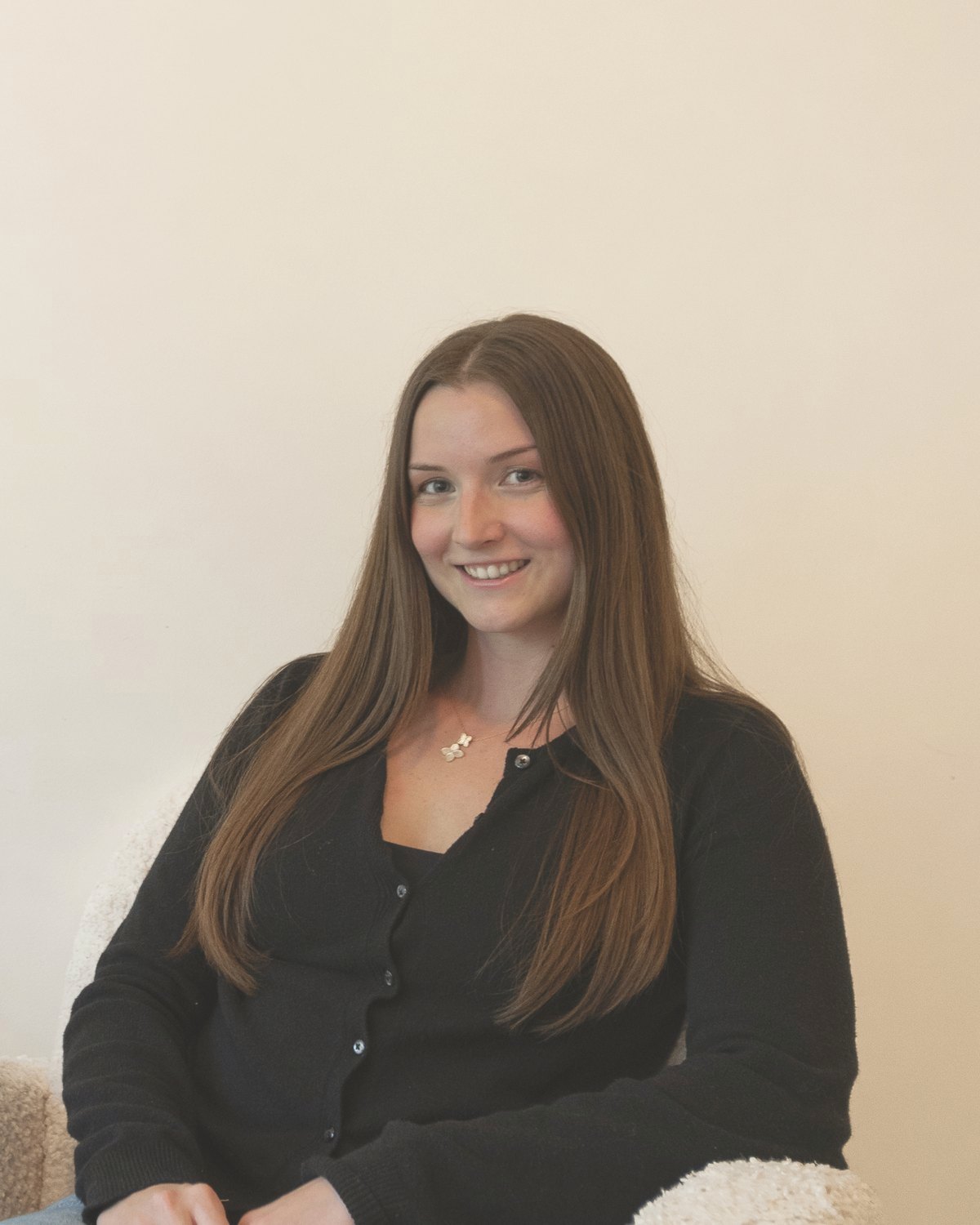
Mairin
Registered Psychotherapist (Qualifying)
Sees: Preteens, teens, adults and first responders & healthcare workers
When getting out the door feels impossible




Tell us a little about what’s going on and we’ll suggest the therapist who fits.
We’ll match you →It starts with a stomach ache on Monday mornings. Then it’s a headache, or tears at the front door, or a teen who won’t get out of bed no matter what you say. Maybe they make it to school but call home by second period. Maybe they haven’t been in weeks.
As a parent, you’ve probably tried everything: encouraging, bargaining, giving space, pushing harder. And you’re worn out, worried and maybe getting calls from the school.
As a preteen or teen, you might not even be able to explain why school feels so hard. You just know that the closer you get, the worse it feels.
We offer therapy for school refusal and school avoidance for preteens and teens in Oakville and virtually across Ontario & select provinces.
This isn’t about a "lazy" kid or a "bad" parent. Something is making school feel unmanageable, and it’s worth understanding what.
School refusal, sometimes called school avoidance, is when a young person has ongoing difficulty going to school or staying there, usually because of emotional distress rather than defiance.
It isn’t a diagnosis on its own. It’s a sign that something underneath is making school feel overwhelming.

Every young person is different. School avoidance can be connected to:
Often it’s more than one thing. Part of therapy is figuring out what’s going on for your child so support fits them.
A free 15-minute consultation is the easiest first step. Book online in a minute, or give us a call.
Staying home brings relief, for everyone. The anxiety drops, the fight is over and the morning is calmer.
But each day away can make going back feel bigger. Work piles up, friendships drift and the worry about returning grows. That doesn’t mean anyone did something wrong. It’s just how avoidance tends to work.
Therapy can help young people and families find a way back that feels manageable, at a pace that makes sense.
Depending on your child’s needs, therapy may help them:
We may also talk with parents about how to support a gradual return to school, and how to respond to hard mornings in a way that’s both kind and steady.
School refusal is exhausting for parents. You might feel caught between being too soft and too hard, worried about your child’s future and judged by other people.
You’re not doing this alone. Parent involvement is often an important part of support for school avoidance, and we’ll talk about what that looks like for your family during your free consultation.
Teens are more likely to open up when they know therapy is their space. We talk with families at the start about what stays between the young person and their therapist and what gets shared with parents, including the limits of confidentiality around safety.
Our therapy offices are located in a residential home in Oakville. All sessions are by appointment only. We see clients from Oakville, Burlington and Milton in person.
Virtual sessions are available across Ontario & select provinces. For some young people who are struggling to leave the house, starting virtually can feel more doable.
Hours are Mon to Fri 9 AM to 9 PM; Sat/Sun 9 AM to 5 PM, by appointment, so sessions can often be scheduled outside school hours.
Sees: Preteens, teens, adults and first responders & healthcare workers
Fees, reduced-fee spots and insurance receipts are on our Prices & FAQ page.
Can’t find your answer? Call (289) 201-1951 or email hello@heartofoakpsychotherapy.com.
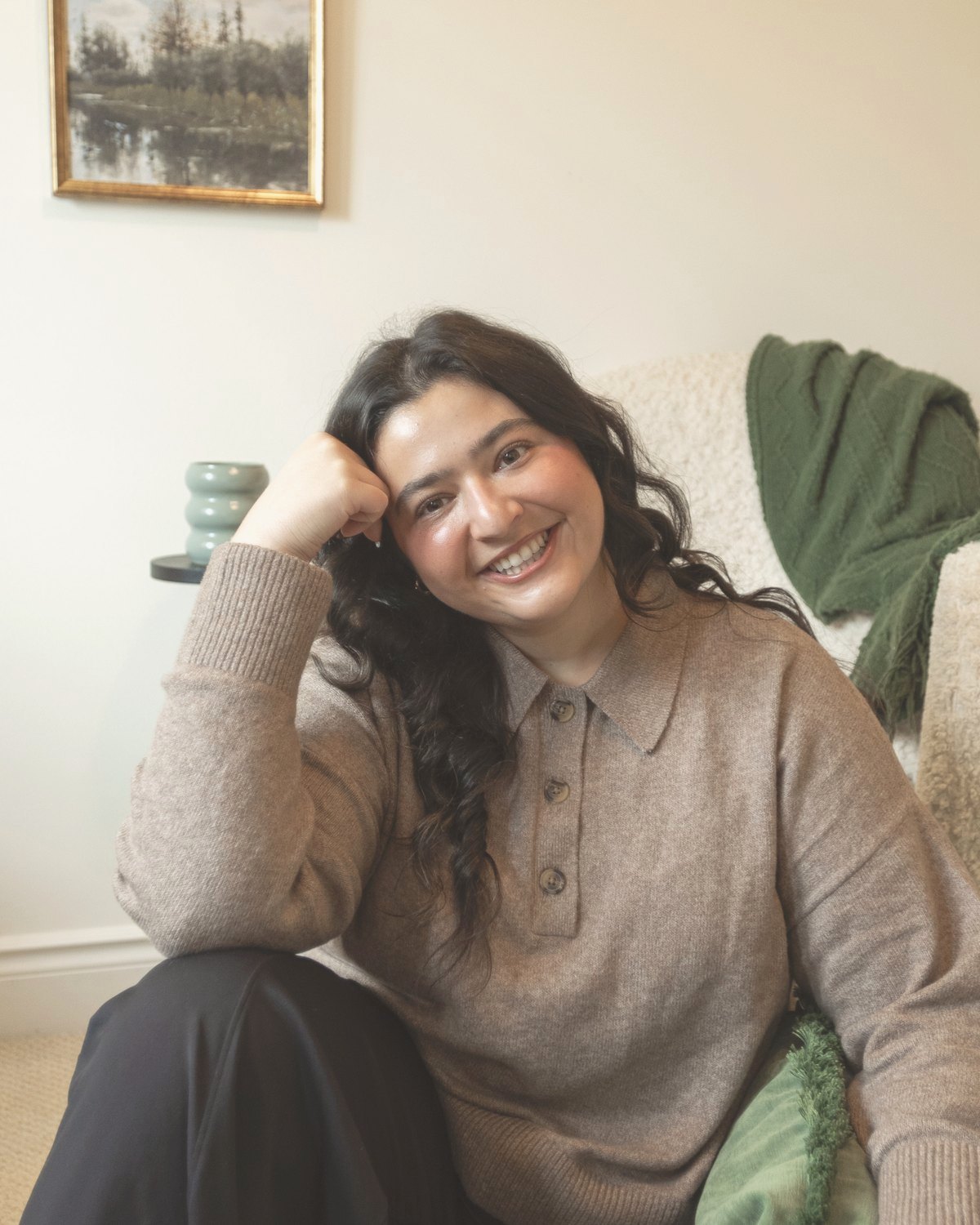
We work with preteens and teens. Mairin and Michaela both see preteens and teens.
That’s common. You can book a free consultation yourself to talk through options. Some teens are more willing to start with a virtual session, or a shorter first conversation.
Our therapists don’t usually contact schools directly. If it would help, your child’s therapist may be able to write a note. Just ask.
It depends on your child’s age and needs. Parents are often part of the plan for school avoidance. Michaela can offer family sessions; Mairin works individually with young people.
Every situation is different, and some young people need time before returning. Long stretches at home can also make going back harder. A therapist can help you think through a plan that fits your child.
No. You don’t need a diagnosis or a referral to book a free consultation.
Finding the right fit matters more than finding the perfect words. Answer two quick questions and book a free consultation; we’ll point you to the therapist who suits what you’re looking for.
Imagine a school morning that feels a little less heavy. A child who can name what’s scary. A plan that feels doable instead of a daily battle.
You don’t have to solve this alone.
Not sure which therapist is right for your child? Book a free consultation. We’ll learn a little about what’s happening and help match your family with Mairin or Michaela.
Many people come in for one thing and find it’s connected to another. Explore the other areas our therapists work with.
Most people aren’t. Book a free 15-minute consultation and we’ll help you sort out where to start.
Help me choose a therapist →